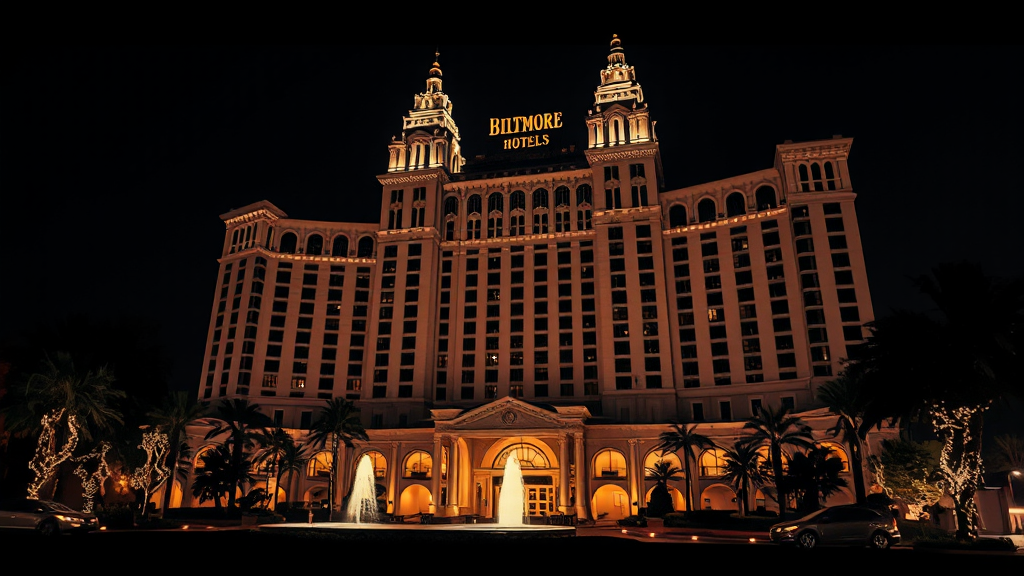
The Art of Timeless Hospitality: Lessons from Iconic Hotels
In a world where travel trends shift rapidly and guest expectations evolve with every new technology, the essence of exceptional hospitality remains rooted in timeless principles. From the moment a guest walks through the lobby doors to the final farewell, every interaction shapes a lasting impression. The finest hotels understand that hospitality is not merely a service—it is an art form. This article explores the core elements that define unforgettable stays, drawing inspiration from properties that have mastered the delicate balance of tradition and innovation. Whether you are a seasoned hotelier, a travel enthusiast, or simply curious about what makes a stay extraordinary, these insights will deepen your appreciation for the craft.
The Foundation of Memorable Guest Experiences
At the heart of every great hotel lies an unwavering commitment to guest satisfaction. This begins with a genuine understanding of what travelers seek: comfort, convenience, and a sense of belonging. Iconic properties have long recognized that personalization is key. From remembering a returning guest’s favorite room temperature to offering a welcome amenity that reflects local culture, these small touches create emotional connections. The most successful hotels invest heavily in staff training, empowering employees to anticipate needs before they are voiced. This proactive approach transforms a simple overnight stay into a cherished memory. Moreover, the physical environment plays a crucial role. Thoughtful design that blends aesthetics with functionality ensures that guests feel both inspired and at ease. Natural lighting, quality furnishings, and intuitive layouts contribute to an atmosphere of serenity. In today’s competitive landscape, hotels that prioritize these foundational elements consistently earn loyalty and positive reviews.
Architecture and Design as Storytellers
Hotel architecture is far more than a backdrop—it is a narrative that unfolds with every step. The best hotels use design to reflect the history, culture, and spirit of their location. For instance, a property situated in a historic district might preserve original facades and incorporate antique furnishings, while a beachfront resort may embrace open-air layouts and organic materials. This storytelling through design helps guests connect more deeply with their destination. Beyond aesthetics, functionality remains paramount. Modern travelers expect seamless integration of technology, such as smart room controls and high-speed connectivity, without compromising the visual harmony. The most admired hotels achieve this by collaborating with architects and interior designers who specialize in hospitality. They understand that every corridor, lobby, and suite must serve a purpose while evoking emotion. When done right, the design itself becomes a reason to visit, drawing architecture enthusiasts and casual tourists alike. The result is a space that feels both luxurious and welcoming, where guests can relax, work, or explore with equal ease.
Gastronomy and Local Culture on the Plate
Culinary offerings have become a defining feature of modern hospitality. Guests no longer view dining as a mere necessity; they seek authentic, memorable meals that showcase regional flavors. Top-tier hotels invest in diverse dining concepts, from casual cafes to fine-dining restaurants led by renowned chefs. These venues often source ingredients from local farms and artisans, supporting the community while delivering freshness. Beyond the menu, the dining experience encompasses ambiance, service, and storytelling. A restaurant that explains the origin of a dish or the history of a wine pairing adds educational value to the meal. Many hotels also offer cooking classes, market tours, or tasting events that immerse guests in local food culture. This approach not only satisfies palates but also creates lasting memories. For the property, it builds a reputation as a culinary destination, attracting both overnight guests and locals. In an era where food tourism is on the rise, hotels that excel in gastronomy gain a significant competitive edge.
Wellness and the Modern Traveler’s Priorities
Wellness has evolved from a niche offering to a central pillar of hospitality. Today’s travelers seek experiences that rejuvenate the body and mind, whether through a state-of-the-art fitness center, a comprehensive spa, or mindfulness programs. Leading hotels have expanded their wellness amenities to include yoga studios, meditation gardens, nutritionist-designed menus, and sleep-enhancing room features. Some properties even offer wellness retreats that combine physical activities with mental relaxation techniques. The integration of wellness extends beyond facilities; it influences the entire guest journey. From the moment of booking, hotels may provide pre-arrival wellness questionnaires to tailor treatments and activities. In-room amenities such as essential oil diffusers, blackout curtains, and high-quality bedding support restorative sleep. Outdoor spaces like walking trails and rooftop gardens encourage guests to connect with nature. By addressing holistic well-being, hotels not only meet guest expectations but also foster deeper loyalty. Wellness-focused travelers often return for repeat visits and recommend the property to like-minded friends.
Sustainability as a Core Value
Environmental responsibility has become a non-negotiable aspect of modern hospitality. Guests are increasingly aware of their ecological footprint and expect hotels to demonstrate genuine commitment to sustainability. This goes beyond basic recycling programs; it involves comprehensive strategies that reduce energy consumption, minimize waste, and support local economies. Many iconic hotels have adopted renewable energy sources, such as solar panels and geothermal systems. Water conservation measures, including low-flow fixtures and rainwater harvesting, are now standard in forward-thinking properties. Additionally, hotels are eliminating single-use plastics, sourcing eco-friendly toiletries, and partnering with sustainable suppliers. These efforts are often communicated transparently to guests through in-room materials and digital platforms. Some properties go further by engaging guests in conservation activities, such as beach cleanups or tree planting. By integrating sustainability into every operation, hotels not only protect the planet but also enhance their brand image. Eco-conscious travelers actively seek out such properties, making sustainability a smart business decision as well as an ethical one.
Personalization Through Technology
Technology has revolutionized the way hotels interact with guests, enabling unprecedented levels of personalization. From mobile check-in and keyless entry to AI-powered concierge services, digital tools streamline the guest experience while allowing for tailored recommendations. For example, a hotel might use guest preferences stored from previous stays to pre-configure the room’s temperature, lighting, and entertainment options. Chatbots and messaging platforms provide instant assistance, answering questions about local attractions or room service. Behind the scenes, data analytics help hotels identify trends and anticipate needs, such as offering a late checkout to a guest who frequently books evening flights. However, successful implementation requires a delicate balance. Technology should enhance, not replace, human interaction. The most admired hotels use digital tools to free up staff time, allowing them to focus on meaningful connections. When a guest receives a personalized welcome note or a surprise upgrade based on their interests, it feels genuinely thoughtful. This fusion of high-tech and high-touch creates a seamless, memorable stay that encourages repeat business and positive word-of-mouth.
Building a Legacy of Service Excellence
Behind every great hotel is a team of dedicated professionals who take pride in their work. Service excellence is not a checklist; it is a culture that must be nurtured from the top down. Successful hotels invest heavily in hiring, training, and retaining talent. They create environments where employees feel valued, empowered, and motivated to exceed expectations. Recognition programs, career development opportunities, and open communication channels contribute to high morale. When staff members are happy, their enthusiasm naturally translates into warmer guest interactions. This human element is irreplaceable. Even the most luxurious amenities cannot compensate for a lack of genuine care. The hospitality industry is built on relationships, and the best hotels understand that every employee is an ambassador. From the bellman who remembers a child’s name to the housekeeper who arranges towels into a swan, these gestures build emotional bonds. Over time, these bonds create a loyal guest base that returns year after year. For those seeking to experience this level of dedication firsthand, properties like thebiltmorehotels exemplify the art of service, where tradition meets modern comfort in a setting that feels both grand and intimate.
FAQs
What defines a truly iconic hotel?
An iconic hotel is characterized by its unique blend of history, architecture, exceptional service, and a strong sense of place. It offers guests an experience that goes beyond accommodation, creating lasting memories through personalized attention, cultural immersion, and consistent quality.
How can hotels improve guest satisfaction without raising prices?
Hotels can enhance satisfaction by focusing on personalization, staff training, and small thoughtful gestures. Simple actions like remembering guest preferences, offering local recommendations, or providing a complimentary welcome drink can significantly elevate the experience without major cost increases.
What role does local culture play in hotel design?
Local culture is integral to hotel design as it helps create an authentic atmosphere that connects guests to the destination. Incorporating regional art, materials, and architectural styles not only enriches the aesthetic but also supports local artisans and tells a story that resonates with travelers.
Why is sustainability important for modern hotels?
Sustainability is crucial because it addresses growing guest demand for responsible travel, reduces operational costs over time, and protects natural resources. Eco-friendly practices also enhance brand reputation, attract environmentally conscious travelers, and contribute to the long-term viability of the hospitality industry.
For readers who want to learn more about thebiltmorehotels, it helps to compare different approaches, read expert opinions, and consider how the topic fits into the broader general landscape.
Another key aspect of thebiltmorehotels is understanding how it relates to other topics in the same field. Many experts recommend starting with a clear overview before diving into specific techniques or strategies.