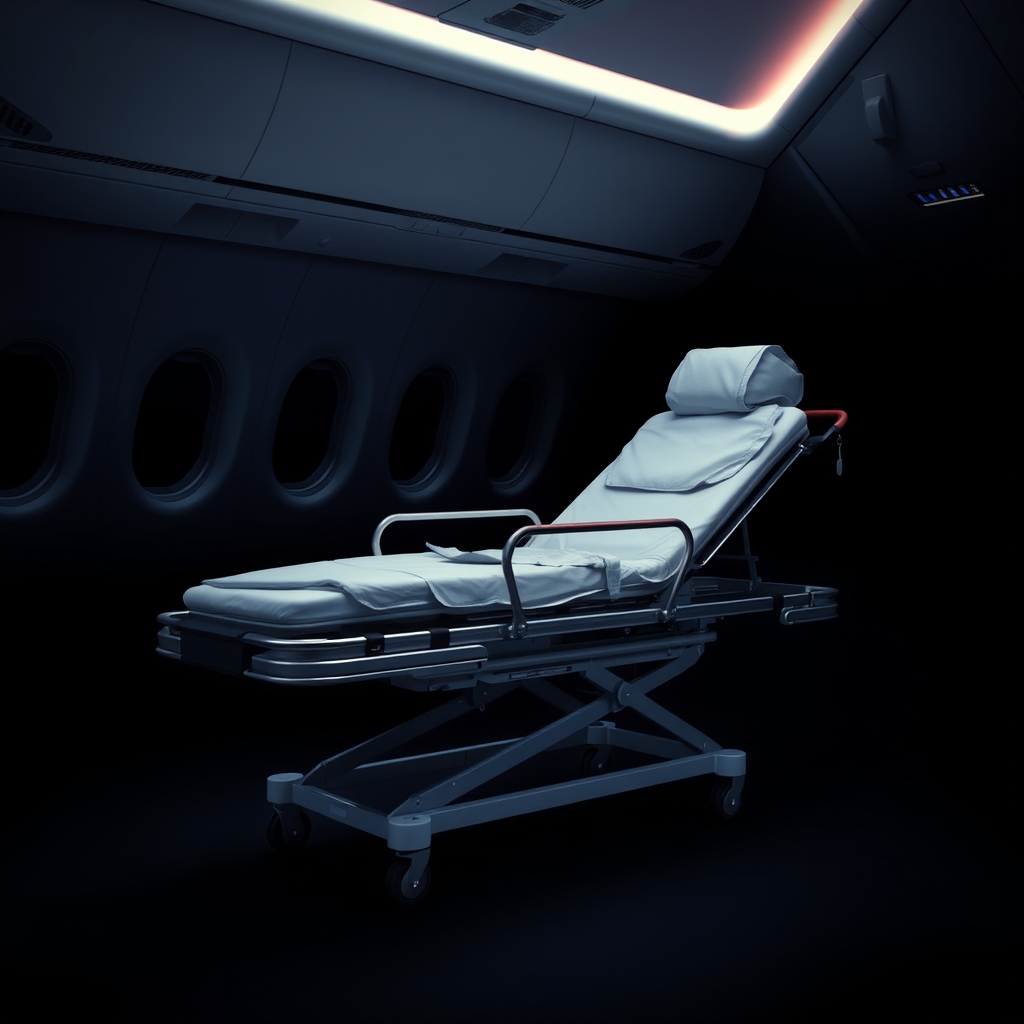
Everything You Need to Know About a Commercial Airline Stretcher for Safe Medical Transport
When a medical emergency or chronic condition requires long-distance travel, the logistics of moving a patient who cannot sit upright can feel overwhelming. Fortunately, a provides a safe, comfortable, and regulated solution for patients who need to lie flat during flight. This specialized service transforms a standard commercial aircraft cabin into a mobile care environment, allowing patients to travel with a companion and medical escort while still using scheduled airline routes. Whether you are coordinating care for a loved one or planning your own medical repatriation, understanding how these stretchers work, who qualifies, and what costs to expect is essential. In this comprehensive guide, we will walk through every aspect of commercial airline stretcher services, from booking procedures to in-flight medical support, so you can make an informed decision with confidence.
What Is a Commercial Airline Stretcher and How Does It Work?
Learn more about airline stretcher Canada and how it applies to your specific needs.
A commercial airline stretcher is a specially designed, FAA-approved stretcher that is installed in the passenger cabin of a regularly scheduled commercial flight. Unlike an air ambulance, which uses a dedicated medical aircraft, a commercial airline stretcher allows the patient to travel on a standard airline route—often at a fraction of the cost. The stretcher is secured to the floor and seat tracks, typically replacing several seats to create a flat, stable surface. The patient is carefully transferred onto the stretcher before boarding and remains in a supine position throughout the flight. Medical escorts, often a nurse or paramedic, accompany the patient to monitor vital signs and administer any necessary care. This service is ideal for patients who are stable but cannot sit for extended periods due to spinal injuries, recent surgery, severe respiratory conditions, or other immobilizing medical issues. Airlines that offer this service include major carriers such as Air Canada, United, Delta, and Lufthansa, though availability varies by route and aircraft type.
Who Needs a Commercial Airline Stretcher?
Patients with a wide range of medical conditions may benefit from a solution. Common scenarios include individuals recovering from orthopedic surgery, those with spinal cord injuries requiring strict immobilization, patients with advanced heart failure who cannot tolerate sitting upright, and individuals with severe respiratory issues needing continuous oxygen therapy. Additionally, patients with neurological conditions such as stroke or Guillain-Barré syndrome often require flat positioning to reduce intracranial pressure or prevent complications. The service is also used for medical repatriation, where a patient needs to return to their home country after an illness or accident abroad. In all cases, a thorough medical assessment is required before booking to ensure the patient is fit for commercial air travel and that the stretcher setup meets their specific needs. The attending physician must complete a medical clearance form, and the airline’s medical team reviews the case to confirm eligibility.
The Booking Process: Step-by-Step Guide
Arranging a commercial airline stretcher involves several coordinated steps, and it is highly recommended to work with a specialized medical travel agency like Jet Companion to handle the logistics. First, you will need to provide detailed medical records, including a letter from the treating physician outlining the patient’s condition, mobility limitations, and any required medical equipment. The agency then contacts the airline to request stretcher availability on the desired route. Not all flights can accommodate a stretcher, so flexibility with dates and times is often necessary. Once a flight is confirmed, the agency arranges for a medical escort—typically a registered nurse or paramedic—who will accompany the patient from the departure hospital or home, through the airport, and onto the aircraft. On the day of travel, the patient is transported to the airport via medical ground ambulance, assisted through security and boarding, and carefully positioned on the stretcher. The medical escort remains at the patient’s side throughout the flight, monitoring vitals and providing care. Upon arrival, a ground ambulance meets the aircraft to transfer the patient to the receiving facility or home. The entire process is designed to minimize stress and ensure continuity of care.
Costs and Insurance Coverage
The cost of a commercial airline stretcher varies widely based on factors such as flight distance, airline fees, medical escort rates, and ground ambulance services. On average, a domestic stretcher booking in Canada or the United States can range from $5,000 to $15,000, while international routes may cost $15,000 to $40,000 or more. These fees typically include the stretcher setup, additional seat purchases for the medical escort, airport assistance, and coordination services. Many travel insurance policies and health insurance plans may cover part or all of the cost if the transport is deemed medically necessary, but pre-approval is essential. For patients in Alberta, for instance, provincial health coverage may apply under certain circumstances, and a service can be arranged with local providers who understand regional regulations. It is wise to contact your insurance provider early in the planning process to understand your benefits and any out-of-pocket expenses. Additionally, some nonprofit organizations offer financial assistance for medical travel, so exploring all options can help reduce the financial burden.
Medical Escort and In-Flight Care
Learn more about commercial airline stretcher alberta and how it applies to your specific needs.
One of the key advantages of using a commercial airline stretcher is the presence of a trained medical escort. This professional is responsible for the patient’s safety and comfort throughout the journey. Before departure, the escort reviews the patient’s medical history, medications, and emergency protocols. During the flight, they monitor blood pressure, heart rate, oxygen saturation, and pain levels, and they can administer medications, change IV fluids, or provide suctioning as needed. The escort also coordinates with the flight crew in case of an in-flight medical emergency, though such events are rare due to the pre-screening process. For patients requiring supplemental oxygen, the airline and escort ensure that portable oxygen concentrators or compressed oxygen tanks are available and approved for use on board. The stretcher itself is equipped with safety straps, padding, and sometimes a small mattress for added comfort. Meals are provided, though the patient may be on a liquid or soft diet depending on their condition. The medical escort also assists with toileting needs using a bedpan or urinal, maintaining dignity and hygiene. Overall, the level of care is comparable to that of an air ambulance but at a significantly lower cost, making it an attractive option for stable patients.
Comparing Commercial Airline Stretcher vs. Air Ambulance
Learn more about stretcher patient transport and how it applies to your specific needs.
When considering medical air transport, patients and families often weigh the differences between a commercial airline stretcher and a dedicated air ambulance. An service, for example, uses a private jet or turboprop aircraft that is fully outfitted as an intensive care unit, staffed by a physician and critical care nurse. This option is best for unstable patients who require advanced life support, ventilator management, or rapid transport to a specialized facility. However, air ambulances are extremely expensive, with costs ranging from $20,000 to over $100,000 depending on distance and medical needs. In contrast, a commercial airline stretcher is limited to stable patients who do not require intensive monitoring, but it offers a much more affordable alternative. Additionally, commercial flights operate on scheduled routes, providing more frequent departure options and the ability to travel with a family member in a nearby seat. The trade-off is that the patient must be able to tolerate the flight duration and the limited space of a stretcher. For many patients, the commercial airline stretcher strikes the perfect balance between safety, comfort, and cost.
Preparing for Travel: Tips for Patients and Families
Preparation is key to a smooth stretcher transport experience. Start by consulting with the patient’s primary care physician or specialist to obtain a detailed medical clearance letter. This document should include diagnoses, current medications, oxygen requirements, and any special instructions for the flight. Next, gather all necessary medical equipment, such as oxygen concentrators, suction machines, or feeding pumps, and ensure they are approved by the airline and the Transportation Security Administration (TSA). Pack a small bag with essential items: medications, a change of clothing, sanitary supplies, a phone charger, and comfort items like a pillow or blanket. It is also helpful to inform the airline in advance about any dietary restrictions or mobility aids needed at the airport. On travel day, arrive at the airport at least two hours early to allow time for check-in and security. The medical escort will coordinate with airline staff to expedite boarding. Finally, stay hydrated and encourage the patient to perform gentle leg exercises if possible, to reduce the risk of blood clots during long flights. With proper planning, the journey can be surprisingly comfortable and stress-free.
Legal and Regulatory Considerations
Commercial airline stretcher services are governed by strict regulations to ensure patient safety and airline compliance. In Canada, for example, Transport Canada oversees the installation and use of stretchers on commercial aircraft, requiring that they meet specific strength and restraint standards. Airlines must also have protocols for emergency evacuation and medical events. For international flights, the International Air Transport Association (IATA) provides guidelines, but individual countries may have additional requirements. Patients traveling across borders should check visa and vaccination requirements, as well as any restrictions on medical equipment. It is also important to sign a liability waiver and consent form before travel, acknowledging the risks involved. Working with a reputable medical travel coordinator like Jet Companion ensures that all regulatory boxes are checked, from medical clearance to customs documentation. For residents of Alberta, a service can be arranged with full compliance to national and provincial standards, giving families peace of mind.
FAQs
Can a patient with a broken leg use a commercial airline stretcher?
Learn more about air ambulance alberta and how it applies to your specific needs.
Yes, a patient with a fractured leg that requires immobilization can use a commercial airline stretcher, especially if the injury prevents them from sitting in a standard seat. The stretcher allows the leg to be elevated and kept stable during the flight. However, the patient must be otherwise stable and able to tolerate the supine position. A medical escort will monitor for signs of compartment syndrome or deep vein thrombosis.
How far in advance should I book a commercial airline stretcher?
It is best to book as early as possible, ideally at least two to four weeks before the intended travel date. This allows time for medical clearance, airline approval, and coordination of the medical escort. Last-minute bookings are possible but may be limited by flight availability and the need for expedited paperwork.
Is a commercial airline stretcher covered by health insurance?
Coverage varies by insurance plan and region. Many private health insurance policies and travel insurance plans cover medically necessary stretcher transport, but pre-authorization is required. In Canada, provincial health plans may cover part of the cost for interprovincial transfers if deemed medically necessary. Always check with your insurance provider and the medical travel coordinator for guidance.
Can a family member travel with the patient on the same flight?
Yes, typically one family member or companion can travel with the patient and sit in a nearby seat. Additional companions may be allowed depending on seat availability and airline policies. The companion is responsible for providing emotional support and assisting the medical escort with non-medical needs. It is best to confirm companion seating during the booking process.