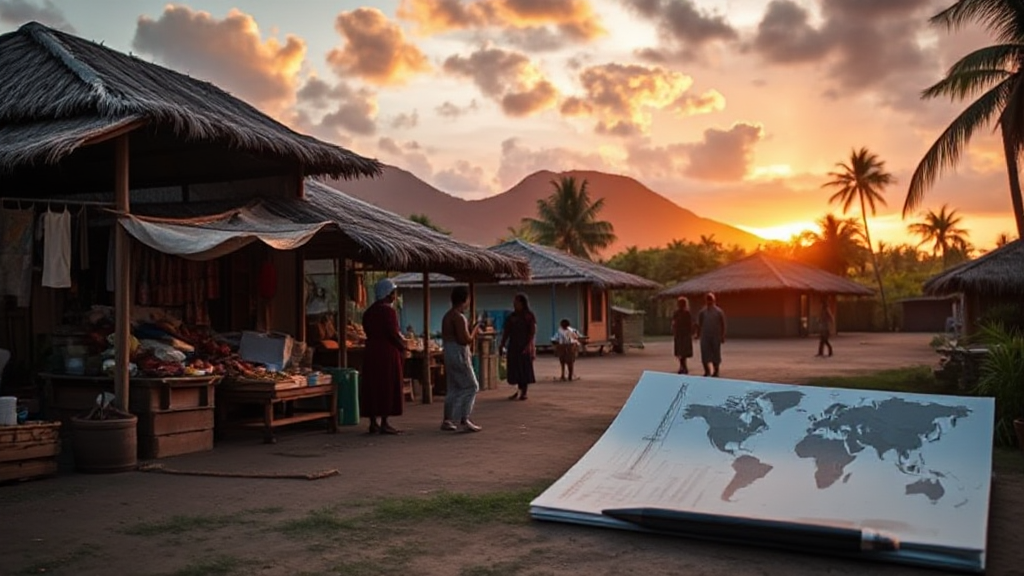

Cultural and Lifestyle Considerations for Canadians in Vanuatu
Vanuatu is one of the South Pacific’s most culturally rich destinations, a chain of more than 80 islands where customary land ownership, village leadership, and traditional ceremony still shape daily life. For Canadians who obtain Vanuatu citizenship, the appeal often goes beyond a second passport. Many are drawn to the idea of spending part of the year in a warm, English-speaking island nation with a slower pace of life. Understanding how that life actually works, however, takes more than reading a travel brochure. This article looks at the cultural and lifestyle adjustments Canadians should expect, and it begins with the practical side of citizenship itself. Anyone researching the process can start with the guidance available at https://applyvanuatupassport.com/, which explains the steps, forms, fees, and the requirement that applications go through a designated agent rather than directly to the Vanuatu Citizenship Commission.
Understanding Vanuatu’s Culture Before You Arrive
Vanuatu gained independence in 1980 after decades of joint British and French administration, and that history lingers in small ways. You will find French bakeries next to local market stalls, and many ni-Vanuatu speak Bislama, English, and French alongside their island languages. Bislama is the national lingua franca, a creole that borrows heavily from English, and even a few phrases go a long way in building goodwill.
The deeper layer is kastom, the customary law and tradition that governs village life. Kastom varies from island to island. On Tanna, for example, customary rules around land and ceremony differ significantly from those in Efate or Espiritu Santo. Canadians used to a highly individualistic, rule-based society sometimes find kastom confusing at first because it is not written down and is interpreted by chiefs and community elders. The practical takeaway is simple: in rural areas, ask before entering land, photographing people, or attending ceremonies. Permission is not a formality; it is the foundation of respectful engagement.
Another adjustment is the concept of island time. Punctuality in the Canadian sense is not always the norm outside Port Vila and Luganville. Meetings may start late, and plans may shift. This is not disorganization so much as a different relationship with time, one that prioritizes relationships and community obligations over schedules. Learning to build buffer time into your day reduces frustration considerably.
Daily Life, Costs, and Practical Adjustments
Port Vila, the capital on Efate, is where most expatriates and new citizens base themselves. It has supermarkets, international schools, restaurants, and reliable internet in most areas. Outside the capital, infrastructure is more limited. Some islands have intermittent electricity, limited medical facilities, and few paved roads. Canadians considering part-time residence should think carefully about which island suits their needs, especially if they have health concerns or depend on consistent connectivity for work.
Cost of living is a common surprise. Imported goods are expensive because almost everything arrives by ship. Groceries in Port Vila can cost more than in many Canadian cities, particularly dairy, meat, and packaged foods. Local produce from market houses is far cheaper and fresher, and shopping there is both a practical and social activity. Beef and seafood are relatively affordable, and the municipal markets in Port Vila and Luganville are excellent places to meet people and learn what is in season.
Housing is another consideration. Long-term rentals in Port Vila are available but not cheap, and quality varies. Many newcomers rent for a year before committing to a neighborhood. If you plan to spend only part of the year in Vanuatu, a furnished rental or a property manager arrangement is usually more practical than buying, since land ownership by non-customary owners is complicated and subject to specific rules.
Healthcare deserves honest attention. Port Vila has a referral hospital and private clinics, but serious medical cases are often evacuated to Australia or New Zealand. Comprehensive travel and health insurance that covers evacuation is effectively essential. Canadians should also confirm how their citizenship status interacts with any existing pension, tax, or healthcare arrangements back home, ideally with a cross-border advisor.
Language is less of a barrier than many expect. English is widely spoken in urban areas and in business settings. In villages, Bislama or local languages dominate, and a genuine effort to learn basic greetings is appreciated far more than perfect grammar. Ni-Vanuatu are generally warm and welcoming to newcomers who show respect for local ways.
Social Norms, Community, and Everyday Etiquette
Vanuatu is a communal society. Extended family networks are strong, and obligations to relatives carry real weight. Canadians who value privacy and independence may need to recalibrate. Neighbors may drop by without notice, and community events may take precedence over personal plans. This can feel intrusive at first and deeply rewarding later. The best approach is to observe, ask questions, and let relationships develop at their own pace.
Dress is modest in villages, particularly for women, and beachwear belongs at the beach or resort rather than in town. Sunday is widely observed as a day of rest and worship, and many businesses close. Alcohol consumption is common in Port Vila but can be sensitive in rural and custom communities. Visitors should also be mindful that certain sites are sacred and off-limits, and that taboos around photography, particularly of ceremonies, are taken seriously.
Gift-giving follows its own logic. Bringing a small contribution, such as food or kava, when invited to a village event is appropriate. Kava itself is central to social life in many communities. The nakamal, where kava is served in the evenings, is a quiet, almost meditative space rather than a bar. Canadians curious about it should go with someone local and treat the experience with respect.
For those weighing the broader commitment, it helps to separate lifestyle questions from legal ones. The citizenship process, eligibility categories, and documentation requirements are administrative matters best handled through a designated agent, and reliable information on those specifics is available through resources such as https://applyvanuatupassport.com/. Culture and lifestyle, by contrast, are learned on the ground, over months rather than weeks.
One more adjustment worth naming is the pace of bureaucracy. Permits, registrations, and official processes can move slowly. Patience, polite persistence, and local relationships matter more than escalation. Canadians accustomed to service standards and clear timelines often find this the hardest cultural gap to bridge, but it is also where the most learning happens.
Frequently Asked Questions for Canadians
Is English widely spoken in Vanuatu?
Yes, English is one of the official languages and is widely used in Port Vila, Luganville, government offices, and tourism. In rural villages, Bislama and local island languages are more common, so learning a few Bislama phrases is genuinely useful and appreciated.
How different is daily life in Port Vila compared to a Canadian city?
Port Vila offers supermarkets, restaurants, schools, and reliable internet, so the basics are familiar. The differences are in pace, cost, and infrastructure. Imported goods are expensive, services can be slower, and medical care is limited compared to Canada, which is why evacuation insurance is strongly recommended.
What cultural mistakes should newcomers avoid?
The most common missteps are entering customary land without permission, photographing people or ceremonies without asking, wearing beachwear in villages, and treating Sunday like an ordinary business day. Showing respect for kastom and local leadership prevents most problems.
Can Canadians spend part of the year in Vanuatu after obtaining citizenship?
Citizens generally have the right to enter and reside in Vanuatu, which makes part-time living arrangements feasible. Practical decisions about housing, healthcare, taxation, and how long to stay should be planned carefully with qualified advisors, since they affect both Canadian and Vanuatu obligations.